Preserve your astronomical finds as lasting digital images. You’ve spent countless nights finding that perfect galaxy or nebula. But sketching it just doesn’t capture the magic, does it? That’s where a dedicated telescope camera changes everything. It connects directly to your scope, letting you save those fleeting cosmic moments with incredible detail. It’s a game-changer for sharing what you see.
But with so many models out there, choosing the right one can feel overwhelming. We’ve tested the latest gear to help you find a camera that fits your budget and brings the heavens down to Earth. Let’s dive into what makes a great telescope camera and find your perfect match.
Product Comparison Table: 9 Best Telescope Camera
| Image | Why We Like This Product | Editor’s Rating | |
 |
SVBONY SV305C Astrophotography Camera, 2.1MP IMX662 Color Telescope Camera…
|
9.5 |
Read Review |
 |
SVBONY SV305C Pro Telescope Camera, USB 3.0 High-Speed Transmission,…
|
9.3 |
Read Review |
 |
WiFi Telescope Camera Eyepiece, 64G Electronic Eyepiece Camera with…
|
9.1 |
Read Review |
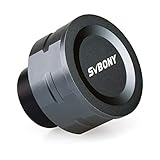 |
SVBONY SV105 Telescope Camera, 1.25″ USB2.0 IMX307 CMOS Color…
|
8.9 |
Read Review |
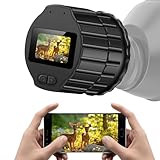 |
WiFi Telescope Camera Eyepiece: 64GB Electronic Eyepiece, 1.5″ Screen,…
|
8.8 |
Read Review |
 |
SVBONY SC715C Telescope Planetary Camera, 1.45μm Micro Pixel IMX715…
|
8.6 |
Read Review |
 |
64GB Telescope Camera Digital Eyepiece: 2K Video Recording, WiFi…
|
8.4 |
Read Review |
 |
SVBONY SV205 Astrophotography Camera, 1.25″ 7.05MP IMX415 Sensor, USB3.0…
|
8.2 |
Read Review |
 |
Telescope Camera 4K, 8MP Astrophotography Camera – 1.25″ Telescope…
|
8.0 |
Read Review |
Quick Review For Top 9 Telescope Camera
SVBONY SV305C Astrophotography Camera, 2.1MP IMX662 Color Telescope Camera with Removable UV IR Cut Glass, 1.25" Electronic Telescope Eyepiece for Planetary Moon Astrophotography&EAA

The SVBONY SV305C is a color astronomy camera designed to be your entry point into capturing detailed images of planets, the moon, and for Electronically Assisted Astronomy (EAA). It balances accessibility with a set of thoughtful features that help you get reliable results without overwhelming complexity.
At its core is the IMX662 sensor, a 2.1MP back-illuminated chip.
The 2.9µm pixel size and a 38,000-electron full-well capacity are key here—they mean the sensor can handle brighter areas without blowing them out, helping you avoid overexposure in your frames. It also boasts low readout noise and no amp glow, with particular improvements in red sensitivity for more natural color rendition in celestial objects.
To streamline your sessions, the camera integrates with SharpCap software with pre-set modes.
You can quickly switch between a planetary high-speed mode or a deep-sky long exposure mode with a one-key setting, and even save your preferences for next time. This removes alot of guesswork when you’re trying to capture different targets.
Practical performance is enhanced by a 128MB image buffer. This memory caches your images if the USB connection hiccups, preventing frame loss so your data transfer stays intact.
SVBONY SV305C Pro Telescope Camera, USB 3.0 High-Speed Transmission, 2MP IMX662 Sensor 128MB DDR Buffer, 1.25" CMOS Astrophotography Camera, Electronic Telescope Eyepiece for Astrophotography

The SVBONY SV305C Pro Telescope Camera is designed for planetary and lunar astrophotography. It’s a 1.25-inch device that replaces your telescope’s eyepiece, turning your optical tube into a powerful digital imager. At its heart is a 2MP IMX662 sensor, chosen for its high sensitivity and remarkably low noise. This combination is crucial for capturing the faint details of planets without the image degrading, even when you’re pushing for higher gain settings.
A key feature is the cameras ultra-low readout noise, measured at just 0.7e-. In practice, this means the signal from your target—like the bands on Jupiter—stays cleaner and sharper against the background sky. It minimizes the grainy interference that can plague planetary images, giving you a much clearer starting point for your processing. Paired with this is the high-speed USB 3.0 interface.
With a 5Gbps transfer rate, it gets your data to the computer over ten times faster than older USB 2.0 cameras. This speed prevents bottlenecks, allowing for smooth, high-frame-rate capture that’s essential for “lucky imaging” techniques. Speaking of speed, the SV305C Pro can record at 107 frames per second at a full 1920×1080 resolution. This high frame rate is vital for freezing the moments of steady atmospheric seeing, letting you capture sharp details on fast-moving planets.
WiFi Telescope Camera Eyepiece, 64G Electronic Eyepiece Camera with 1.5" Screen, Astronomy Camera Fits to 28mm- 50mm Scopes, Perfect for Astrophotography, Birds Watching

The WiFi Telescope Camera Eyepiece is a clever gadget that bridges the gap between traditional optics and the digital world. At its core, its a specialized electronic eyepiece that replaces the standard one on your scope, turning what you see into a shareable digital image or video. Its designed for anyone who wants to record and observe more comfortably, wheter your looking at the moon, a bird in a tree, or a specimen under a microscope. A key feature is the built-in 1.5” IPS screen.
This mini display gives you a direct, intuitive view of your subject with accurate colors, so you dont always have to squint through an eyepiece or be tethered to your phone. For more flexible viewing, the device creates its own WiFi network. You can connect your smartphone or tablet within a 49-foot range to observe remotely, and it even supports two devices at once, making it great for sharing the moment with a friend or a child without disturbing the setup.
The camera captures in 1080P Full HD for video and takes 2MP photos. This resolution is sufficent for capturing clear details of lunar craters or the plumage of a distant bird. It also includes dark light compensation to improve clarity in low-light conditions, which is essential for astronomy. You wont get professional deep-sky images, but for planetary observation and daytime use, it performs reliably. Versatility is a major plus.
SVBONY SV105 Telescope Camera, 1.25" USB2.0 IMX307 CMOS Color Astrophotography Camera, Electronic Telescope Eyepiece for Telescope, Suitable for Astrophotography Beginners
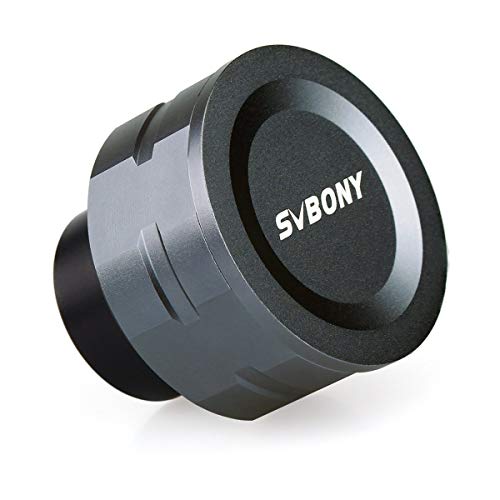
The SVBONY SV105 Telescope Camera is a straightforward entry point into astrophotography. Designed as an electronic eyepiece, it replaces a traditional telescope eyepiece to let you capture images and video directly with your computer. If your curious about photographing the moon and planets but find dedicated astronomy cameras intimidating, this model offers a simpler, more accessible method to begin.
This camera is particularly suited for lunar and planetary imaging, as well as bright terrestrial targets. The process is intuitive: you simply point your telescope at, say, the Moon or Jupiter, and the SV105 lets you record a quick video. It transfers the real-time view from your telescope directly to your laptop screen, making it easy to share the view with others or to capture footage for processing.
It’s a practical tool for beginners to start learning the basics of capturing celestial objects. Setup emphasizes ease of use. The camera is plug-and-play, requiring no additional drivers for most operations. You’ll need capture software on your computer, but that’s a simple download—SharpCap for Windows, AstroDMx for Linux, or a standard USB camera app for Android. For Apple users, it’s compatible with MacOS laptops, though it’s important to note it does not work with iPhones or iPads.
WiFi Telescope Camera Eyepiece: 64GB Electronic Eyepiece, 1.5" Screen, 1080P FHD Recording, Telescope Microscope Accessories, 28mm-50mm Planetary Camera for Astrophotography, Bird Watching, Hiking

The WiFi Telescope Camera Eyepiece is a clever gadget that turns your standard telescope or microscope into a digital imaging station. It’s designed for anyone who wants to easily capture and share what they see, whether its the craters of the moon or a bird in the backyard.
At its core, this is a planetary camera eyepiece that fits scopes with 28mm to 50mm eyepiece holders.
It replaces your regular eyepiece and captures what your lens sees directly onto its 1.5-inch built-in screen or, more conveniently, straight to your smartphone. The image sensor captures 2-megapixel photos and, more impressively, full 1080P High Definition video.
This resolution is perfect for recording the steady details of planetary observation or the quick movements of wildlife, giving you clear files for review or sharing later.
One of the biggest hurdles with accessory cameras is needing to buy extra gear right away. This model solves that by including a substantial 64GB TF card in the box. That’s plenty of space for thousands of photos or hours of video, so you can start using it the moment you get it.
SVBONY SC715C Telescope Planetary Camera, 1.45μm Micro Pixel IMX715 Color Astronomy Camera, 512MB DDR3 Cache, Low Readout Noise, Electronic Eyepiece for Moon Planetary Astronomical Photography

The SVBONY SC715C Telescope Planetary Camera is designed for astronomers who want to capture detailed images of the moon and planets. At its heart is a sensitive IMX715 color sensor with tiny 1.45-micron pixels. This combination is key for high-resolution 4K imaging, allowing you to record impressive planetary detail often without needing a Barlow lens to increase focal length.
It’s a setup that simplifies your gear while aiming for professional results.
Performance in low light is critical, and the SC715C’s sensor provides a higher dynamic range with lower readout noise. This means you can capture more detail in shadows and highlights, producing cleaner, more nuanced images even under challenging sky conditions. To keep things smooth, the camera has a 512MB DDR3 cache.
This buffer minimizes delays, so whether your taking high-speed video or a series of images, each frame transfers clearly without loss, preserving the integrity of your data.
Connectivity and control are straightforward. The USB 3.0 interface enables fast data transfer at up to 45.5 frames per second at full resolution, ensuring stable, continuous recording without stuttering or dropped frames during crucial moments.
64GB Telescope Camera Digital Eyepiece: 2K Video Recording, WiFi Telescope Microscope Accessory, 25-50mm Eyepiece Adapter, Screen Support, App Control, Perfect for Astrophotography, Birds Watching

The 64GB Telescope Camera Digital Eyepiece is designed to bridge the gap between traditional observation and the digital world. If you’ve ever wanted to share what you see through your telescope or microscope, or simply save those moments for later, this accessory makes it straightforward. It’s core function is to replace a standard eyepiece, turning your optical device into a powerful digital recording tool.
Getting started is remarkably simple.
The camera features a universal adapter that fits eyepiece barrels from 25 to 50mm. You literally just twist it into place on your telescope or microscope—no extra tools or complicated setup are needed. Once attached, it’s powered by a robust 1500mAh battery that provides over four hours of continuous use.
It charges via modern USB-C, so you can use a phone charger or power bank, and you can even keep it plugged in during use for marathon sessions.
The heart of the experience is the built-in WiFi. The device creates its own hotspot, so you connect your smartphone directly to it; no internet connection is required. Through the dedicated app, you gain full control. You can see a live feed on your phone screen, adjust settings, and start recording with a tap.
SVBONY SV205 Astrophotography Camera, 1.25" 7.05MP IMX415 Sensor, USB3.0 CMOS Telescope Camera, Electronic Telescope Eyepiece, Suitable for Astrophotography Beginners

The SVBONY SV205 Astrophotography Camera is a 1.25-inch electronic eyepiece designed to connect your telescope to your computer. It turns visual observing into a shared, digital experience. This camera is particularly well-suited for beginners looking to take there first steps in capturing the moon and planets.
At its core is a 7.05MP IMX415 color sensor.
The sensor’s 1.45µm pixels and enhanced low-light performance aim to provide a clear, detailed image even under the challenging conditions of astronomy. The machined aluminum barrel threads directly into most telescope focusers, making setup straightforward.
A key feature is its plug-and-play operation with no additional drivers needed for many systems. You simply connect the included USB 3.0 cable to your Windows laptop or PC. The camera can then transmit a real-time video feed.
This lets you and others veiw bright celestial objects on a larger screen, which is great for sharing with family or at group events.
For recording, the SV205 offers flexibility. You can capture MJPG format videos quickly at 30 frames per second in 1080p resolution. If you prefer uncompressed quality for later processing, you can choose the YUV format at a higher 3264×2160 resolution, though at a lower frame rate of 15 FPS.
Telescope Camera 4K, 8MP Astrophotography Camera – 1.25" Telescope Electronic Eyepiece Camera with IR Filter, Plug & Play for Astronomy, Planetary Imaging, Compatible with Windows/Mac/Linux

The Telescope Camera 4K, 8MP Astrophotography Camera is a 1.25″ electronic eyepiece designed to bridge the gap between visual observing and digital astrophotography. It lets you capture and share what you see through your telescope with remarkable ease and clarity.
One of it’s most significant advantages is its true plug-and-play setup. You don’t need to install any special drivers.
Just connect it to your computer via USB, and it’s automatically recognized by Windows 10/11, macOS 12+, and Linux systems. This means you can start streaming live views of the moon or planets almost instantly using any UVC-compatible software, removing a major technical hurdle for beginners.
At its core is an 8MP high-speed sensor.
This sensor allows for smooth 1080P video at 60 frames per second and 4K recording at 30fps, which is crucial for capturing stable, detailed planetary imagery. The camera accuratly reproduces true colors in low-light conditions, bringing out the subtle bands on Jupiter or the rich texture of lunar terrain.
Telescope Camera Buying Guide
A telescope camera attaches to your optical tube to capture images. This simple act bridges teh gap between observing and preserving the cosmos, but choosing the right one can feel overwhelming. Let’s break down the key factors to consider so you can find the perfect match for your stargazing goals.
Sensor Type: CMOS vs. CCD
This is the heart of your camera. Modern CMOS sensors are fantastic for most people—thay’re fast, affordable, and great for planets and brighter deep-sky objects. Traditional CCD sensors offer superb image quality with low noise, often preferred for very faint galaxies and nebulae, but they can be slower and more expensive. Think about what you’ll photograph most.
Pixel Size and Your Telescope’s Focal Ratio
These two specs need to work together. Smaller pixels are great for capturing fine detail on planets when paired with a long focal length telescope (high f-ratio). For wide-field views of nebulae with a fast telescope (low f-ratio), larger pixels gather light more efficiently. Mismatching them can lead to fuzzy or inefficient images.
Cooling and Noise Control
As sensor heat up during long exposures, they create noisy, grainy images. If you dream of detailed deep-sky photos, look for a camera with built-in cooling. This feature actively reduces sensor temperature, dramatically cutting down on thermal noise and giving you much cleaner data to work with. It’s a game-changer for serious astrophotography.
Connectivity and Software
How does it connect to your computer? USB 3.0 is common and provides good speed for data transfer. Also, check what software the camera is compatible with. You’ll want to ensure it works smoothly with popular capture programs you plan to use. Good software support makes the entire imaging process much smoother, letting you focus on the sky.
Frequently Asked Questions About Telescope Cameras
What is a telescope camera?
A telescope camera is a special camera made to attach to your telescope. It captures images of planets, galaxies, and nebulas that are to faint for a regular camera or your eye to see.
How is it different from a normal camera?
These cameras are designed for long-exposure photography in low light. They often don’t have a screen or lens of their own. Instead, thay use your telescope’s optics and connect to a computer for control.
Do I need a special telescope to use one?
Most telescopes with a focuser and teh right adapter will work. But your telescope’s mount is very important. It needs to be sturdy and track the sky smoothly for clear pictures.
What’s the difference between a planetary and deep-sky camera?
Planetary cameras take very fast videos to capture sharp frames of bright objects. Deep-sky cameras take long, single exposures to gather faint light. Some newer cameras try to handle both jobs pretty good.
What does “cooled” mean for a camera?
A cooled camera has a built-in system to lower its sensor temperature. This reduces electronic “noise,” which is like static in your image. It’s a key feature for serious deep-sky imaging.
Is the software difficult to learn?
There is a learning curve, but many free programs are available. You’ll use software to control the camera, stack multiple images, and process the final photo. Starting simple is the best approach.
Can I use it for daytime photography?
Generally, no. These cameras are highly sensitive and can be damaged by bright light. They are specifically designed for the very low light levels of astrophotography.
What’s a good first telescope camera?
Look for an easy-to-use color “one-shot” camera. It eliminates the need for complex filters when your starting out. Pair it with a small refractor telescope on a solid tracking mount for best results.
The Short Answer
Merge observation with documentation using this integrated system. It simplifies everything. You can finally stop switching between eyepieces and your phone. Just look, capture, and save your session with one device. It’s made for sharing teh view with friends or keeping a personal log of the night sky. The learning curve is gentle, so you can focus on the experience instead of complicated gear.
For any stargazer wanting to record what they see, this tool is a clear choice. A dedicated telescope camera bridges the gap between seeing and saving. It turns a fleeting moment into a lasting record you can revisit. You’ll appreciate having your own library of celestial images, all captured directly through your scope. It’s a straightforward way to make your hobby even more rewarding and personal.